
کاربردهای واقعی در صنعت
کاربردهای سورتینگ هوشمند و درجهبندی اتوماتیک
راهکارهای کاربردهای سورتینگ هوشمند و درجهبندی اتوماتیک برای کنترل کیفیت، کاهش ضایعات و بهبود بهرهوری خطوط تولید.
بررسی نیاز خط تولید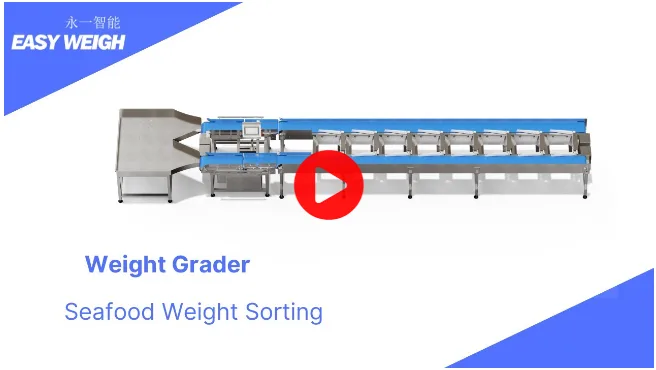
کاربردهای سورتینگ هوشمند و درجهبندی اتوماتیک
در حوزه کاربردهای سورتینگ هوشمند و درجهبندی اتوماتیک، انتخاب تجهیزات باید با شناخت محصول و شرایط خط تولید انجام شود. توزین، بازرسی و سورتینگ میتوانند در کنار هم به کنترل کیفیت و پایداری فرایند کمک کنند.
درجهبندی و سورتینگ
سیستمهای سورتینگ، محصولات را بر اساس وزن یا ویژگیهای ظاهری تفکیک میکنند. متناسب با کاربرد، توزین دینامیک، پردازش تصویر یا ترکیبی از این فناوریها به کار میرود.
- درجهبندی بر اساس وزن، اندازه یا ویژگیهای ظاهری
- ایجاد گروههای محصول یکنواخت برای بستهبندی و عرضه
- انتخاب مسیر انتقال و خروجی مناسب برای محصول حساس یا مرطوب
اطلاعات لازم برای انتخاب تجهیزات
- نوع، ابعاد و وزن محصول
- جنس بستهبندی و شکل ارائه محصول
- سرعت خط و ظرفیت مورد نیاز
- هدف بازرسی و محدوده پذیرش
- فضای نصب، شرایط محیط و شیوه نظافت
بررسی نیاز خط تولید
مشخصات محصول و مسئلهای را که میخواهید حل کنید با ما در میان بگذارید. بررسی فنی گزینهها، پیش از انتخاب مدل، به تصمیمگیری دقیقتر کمک میکند.
جزئیات و متن مرجع سازنده (انگلیسی)
Easyweigh AI food sorting machine case studies from Easyweigh, showcasing how food sorting equipment use artificial intelligence, machine vision, cameras, and precision sensors to identify and separate products based on color, size, shape, weight, and surface quality.
These application examples demonstrate how sorting machine help food manufacturers improve product quality, reduce waste, and increase production efficiency with intelligent sorting technology.
Why AI Sorting Machines Are Transforming Modern Food Processing
Modern food manufacturers require faster, more accurate, and more reliable sorting solutions to maintain product quality and reduce production waste. AI food sorting machines combine artificial intelligence, optical sorting technology, cameras, and precision sensors to analyze products in real time and automatically separate items based on size, color, shape, weight, and surface defects.
Compared with traditional manual sorting methods, automated sorting systems provide higher accuracy, consistent quality control, and improved production efficiency across food processing industries.
AI-Powered Product Recognition
Optical sorting machine detect metal, glass, stone, ceramic, and bone contaminants hidden inside food products and packaging.
Accurate Product Classification
Automatically separate products based on quality standards, weight, appearance, and production requirements.
Reduce Waste and Improve Yield
Remove defective products early and maximize usable product output through intelligent sorting in food processing.
High-Speed Production Integration
Integrate seamlessly with automated production lines for high-speed continuous sorting in food processing.
Explore AI Sorting Machine Case Studies
Seafood Processing Industry
- Application: Automatic Squid Weight Sorting and Grading for Seafood Production Lines
- Challenge: Seafood processors needed a high-speed weight sorting machine for squid to accurately classify large squid products by weight while reducing manual sorting errors and improving production efficiency.
- Solution: Easyweigh provided a dual lane weight grader with high-precision weighing sensors to automatically measure and sort squid into different weight categories, increasing throughput while maintaining product consistency.
- Result: Improved seafood grading accuracy, reduced labor dependency, increased processing capacity, and delivered consistent squid portions for export and retail requirements.
Seafood Processing & Aquaculture Industry
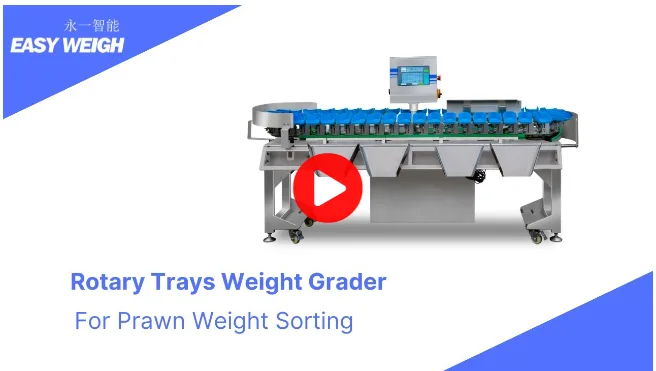
- Application: Shrimp and Prawn Automatic Weight Grading System
- Challenge: Shrimp and prawn processors required a gentle seafood sorting machine capable of handling delicate products while achieving accurate weight classification and minimizing product damage.
- Solution: Easyweigh implemented a rotary trays weight grader designed for delicate seafood products, providing precise weight sorting with smooth product handling and multiple grading categories.
- Result: Achieved accurate shrimp and prawn classification, reduced product damage, improved packaging consistency, and increased seafood processing efficiency.
Seafood Processing & Premium Aquaculture
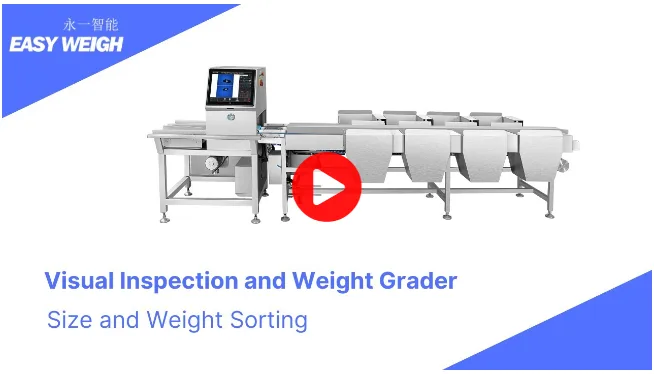
- Application: AI Vision Sorting and Weight Grading for Sea Cucumber
- Challenge: Sea cucumber processors needed an intelligent sorting solution to classify products by both weight and appearance while maintaining premium quality standards.
- Solution: Easyweigh deployed a visual inspection and weight grading machine combining machine vision technology and precision weighing sensors to analyze product characteristics and automatically sort sea cucumbers.
- Result: Improved grading consistency, enhanced product classification accuracy, reduced manual inspection workload, and optimized premium seafood processing. SEO/GEO Keywords
Meat Processing Industry
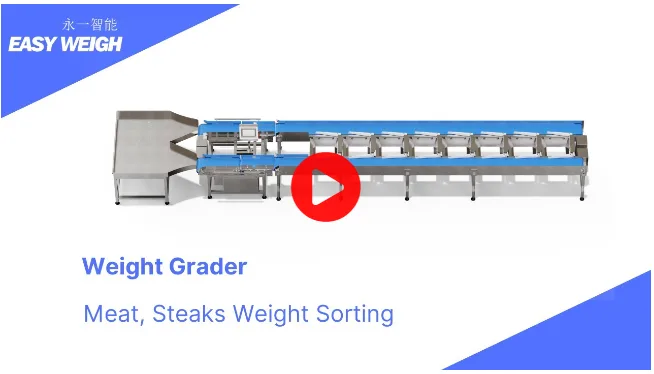
- Application: Automatic Beef and Steak Weight Sorting System
- Challenge: Meat processors required an automated solution to classify beef cuts and steaks by weight, improve portion consistency, and reduce manual grading errors.
- Solution: Easyweigh provided an industrial weight sorting machine that automatically weighs and grades beef products according to predefined weight ranges, supporting efficient meat processing operations.
- Result: Improved portion accuracy, reduced product giveaway, increased production efficiency, and ensured consistent beef product quality for customers.
Poultry Processing Industry
- Application: Automatic Chicken Breast Weight Grading and Sorting
- Challenge: Chicken processors needed a high-accuracy poultry sorting machine to classify chicken breasts by weight, improve packaging consistency, and optimize production efficiency.
- Solution: Easyweigh installed an automatic weight sorting machine for chicken processing, using precision sensors to grade chicken breasts quickly and accurately during production.
- Result: Enhanced poultry grading accuracy, reduced manual labor, improved packaging efficiency, and delivered consistent chicken portions for food manufacturers.
AI Food Sorting Machine Applications Across Industries
Sorting of Fish
AI fish sorting machine helps seafood processors classify products by size, quality, and appearance while improving production efficiency.
Meat Processing
Meat sorting machines can efficiently classify meat products according to size, quality, and appearance, while improving production efficiency.
Snacks & Food Products
AI sorting systems improve quality control for snacks and processed food products by identifying visual defects.
Ready Meals Grading
A vision sorting machine can efficiently sort pre-prepared meals using optical sorting technology, thereby increasing production speed for manufacturers.
Fruit Sorting
AI fruit sorting machines identify size, color, shape, and surface defects to improve grading accuracy and product consistency.
Nuts & Seeds grading
Optical sorting machines detect color differences, foreign materials, and product defects in nuts and seeds processing.
Food Sorting Challenges Solved by AI Technology
AI sorting machines solve problems including inconsistent manual sorting, product defects, quality variation, and production inefficiency by automatically identifying and separating products.
AI algorithms analyze images collected by industrial cameras and continuously improve recognition accuracy for different products and defect types.
Yes. Intelligent sorting systems identify defective products early, allowing manufacturers to improve yield and reduce unnecessary waste.
AI sorting machines can sort fruits, vegetables, seafood, nuts, grains, snacks, and other food products based on appearance, size, weight, and quality.
How AI Food Sorting Machines Work?
AI food sorting machines combine industrial cameras, machine vision systems, artificial intelligence algorithms, and precision sensors to analyze products during production.
The optical sorting equipment captures product images, identifies differences in appearance, size, color, shape, or defects, and automatically separates products according to predefined quality standards.
This intelligent sorting process enables manufacturers to achieve faster production speeds, higher accuracy, and consistent product quality.
AI Food Sorting Technology Knowledge Center
Learn about Easyweigh blogs related to sorting machines, machine sorting, and the sorting equipment market.
Can the Weight Grader Maintain Stable Accuracy for Wet, Sticky, or Vibrating Products?
How Weight Graders Improve Fish Sorting?
How Optical Sorting Machines Are Reducing Waste in Food Production
What Is a Fruit Sorting Machine? Complete Guide for 2025
How Does a Fruit Sorting Machine Work?
Case Study: Optical Sorting in Tomato Processing Boosts Yield by 25%
FAQs Of Sorting Machine
An AI food sorting machine is an automated sorting system that uses artificial intelligence, machine vision cameras, and sensors to classify and separate products based on quality characteristics.
AI sorting machines are widely used for fruits, vegetables, seafood, nuts, grains, snacks, and processed food products.
Machine vision sorting uses cameras and AI algorithms to analyze product images and identify differences in color, size, shape, and surface quality.
Optical sorting machines primarily use image-based detection, while AI sorting systems use advanced learning algorithms to improve recognition and classification accuracy.
Automated sorting systems improve production speed, reduce labor costs, increase product consistency, and minimize food waste.
Contact Us
بررسی راهکار مناسب شما
یک خط تولید دقیقتر
از شناخت نیاز شما شروع میشود.
درباره محصول و نیاز خود بنویسید تا گزینههای توزین، بازرسی یا سورتینگ مناسب بررسی شوند.
- بررسی تجهیزات متناسب با کاربرد
- شناخت الزامات فنی خط تولید
- بررسی نیازهای نصب و بهرهبرداری
درخواست مشاوره و استعلام قیمت
با چند توضیح، نیاز خط تولید خود را مشخص کنید.
در حال بارگذاری فرم…